





YESCARTA® the path with proven results

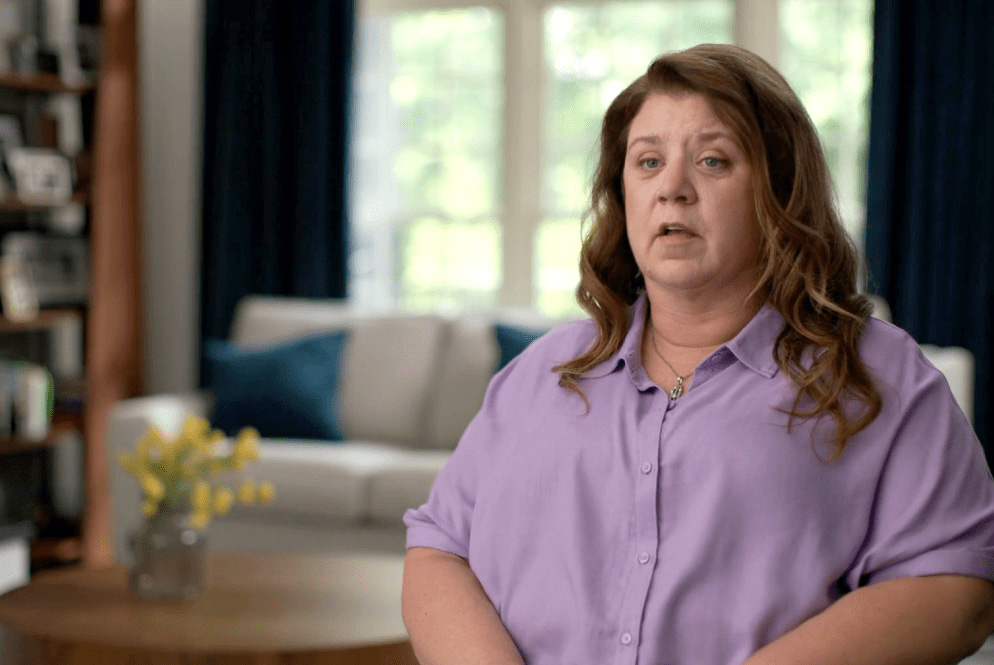
Cathy, YESCARTA patient

How well does YESCARTA work?

YESCARTA has been studied in the largest and longest clinical trial of its kind for second-line LBCL patients. The clinical trial compared YESCARTA to standard therapy as a second-line treatment for relapsed or refractory LBCL.

A total of 359 adult patients were randomly assigned to one of two treatment groups. 180 patients received YESCARTA, and 179 patients received standard therapy.*

Icon with 2x text.

Two years after treatment, YESCARTA was more than twice as likely to help patients stay event-free (their LBCL didn't come back or get worse).

Circle icon with versus text.
Calendar with a plus sign icon.

YESCARTA was shown to help patients live longer compared to standard therapy.

At 39 months (~three years) after treatment:

6 in 10 patients circles icon.

Roughly 6 in 10 patients who received YESCARTA were alive (56% of patients)

5 in 10 patients circles icon.

Roughly 5 in 10 patients who received standard therapy were alive (46% of patients)

Of the YESCARTA patients who were alive at 4 years:

75% did not need additional cancer treatment

Icon with 2x text.

YESCARTA helped twice as many patients reach complete remission compared to standard therapy.

6 in 10 patients circles icon.

Roughly 6 in 10 patients who received YESCARTA saw complete remission (65% of patients)

3 in 10 patients circles icon.

Roughly 3 in 10 patients who received standard therapy saw complete remission (32% of patients)

*Standard therapy in this trial included chemoimmunotherapy, high-dose therapy, and autologous stem cell transplant, depending on how the cancer responded to treatment.

What are the possible side effects of YESCARTA?

Because YESCARTA is a treatment that works on your immune system, there is a risk that your immune system may become overactive and affect the rest of your body in unwanted ways. You can learn about the possible side effects of YESCARTA by reading the Important Safety Information.

Two side effects that many patients have experienced are Cytokine Release Syndrome (CRS) and Neurotoxicity:

CRS and Neurotoxicity can become life-threatening and can lead to death. Call or see your healthcare provider or get emergency help right away if you get any of the following:

  • Fever (100.4°F/38°C or higher)
  • Difficulty breathing
  • Chills or shaking chills
  • Confusion
  • Dizziness or lightheadedness
  • Severe nausea, vomiting, or diarrhea
  • Fast or irregular heartbeat
  • Severe fatigue or weakness

It is important to tell your healthcare provider that you received YESCARTA. Your healthcare provider may give you other medicines to treat your side effects.

The most common side effects of YESCARTA include:

  • Fever (100.4°F/38°C or higher)
  • Low white blood cells (can occur with a fever)
  • Low red blood cells
  • Low blood pressure (dizziness or lightheadedness, headache, feeling tired, short of breath)
  • Fast heartbeat
  • Confusion
  • Difficulty speaking or slurred speech
  • Nausea
  • Diarrhea

YESCARTA may increase your risk of getting cancers including certain types of blood cancers. Your healthcare provider should monitor you for this.

These are not all the possible side effects of YESCARTA. It’s important to talk to your treatment team about how you are feeling, and let them know if you notice any symptoms. Each person's experience and potential side effects will be different.

How will side effects be managed?

After your infusion you will need to stay near a healthcare facility for at least 2 weeks. Your treatment team will monitor you daily for at least 7 days after infusion, as that's typically when severe side effects could happen. Severe side effects include cytokine release syndrome (CRS) and neurotoxicity. These side effects are well understood by your team and can be managed appropriately. You will be in expert hands as your team works together to care for you.

Your treatment team will also work with your caregiver(s) so they are prepared to watch out for side effects and support you.

Monitoring side effects

Learn more about what side effect monitoring was like for YESCARTA patients and caregivers.

This testimonial is representative of patients’ and caregivers’ own experiences. Individual treatment results and experience may vary.

The path with YESCARTA is ready — take the first step. Talk to a CAR T specialist to learn if YESCARTA is right for you.

Event-free survival

In clinical trials, an event is when a patient’s cancer comes back, gets worse, or experiences any other complications or worsening of symptoms.

Event-free means a patient has not experienced an event.

Event-free survival (EFS) measures the length of time after treatment that patients go without having an event. Researchers and doctors use event-free survival data to help determine how well a treatment works.

Overall survival (OS)

Overall survival (OS) is the length of time that patients remain alive after starting a treatment.

Researchers and doctors use overall survival data to help determine how well a treatment works.

Cytokine Release Syndrome (CRS)

CRS happens when your immune system becomes overactive.

After infusion, when the modified T cells recognize and kill cancer cells, they may release proteins called cytokines.

A buildup of cytokines can lead to symptoms including:

  • fever
  • chills
  • rapid heart rate
  • low blood pressure
  • low blood oxygen level

CRS can last for about a week and typically occurs in the first few days after infusion, when you are being monitored for side effects.

Neurotoxicity

Neurotoxicity is a side effect that happens when there is damage to the brain and spinal cord.

Neurotoxicity can cause symptoms like:

  • changes in the way the brain functions
  • seizures
  • changes in level of consciousness
  • difficulty with speech
  • tremors
  • confusion

Symptoms of neurotoxicity can last for 2–3 weeks and typically begin 4–5 days after YESCARTA infusion.

Second-line therapy

A treatment that is given after a first treatment (first-line therapy) did not work or stops working.

Relapsed or refractory

Relapsed means that the signs and symptoms of cancer have returned after having disappeared.

Refractory means that the cancer did not respond to treatment.

Complete remission

Complete remission, also called complete response, is when all signs or symptoms of cancer have gone away. Complete remission does not always mean the cancer has been cured.

CAR T treatment team

Doctors

Doctors can include your attending oncologist and other specialists.

They will be in charge of your treatment plan and can prescribe YESCARTA and other medical treatments.

Nurse and nurse coordinators

Nurses in different roles will care for you throughout every step of your treatment.

Nurse coordinators, also called nurse navigators or case management nurses, will guide you through your treatment plan and make sure that you understand each step of the process. They can also help you coordinate the logistics and connect you with additional support.

Nurse practitioners and physician assistants

Nurse practitioners (NPs) and physician assistants (PAs) have advanced training and can be involved in aspects of care such as diagnosis, treatment, and certain medical procedures.

Pharmacists

Pharmacists will prepare, give out, and provide information about prescription drugs. They will help ensure the effective and safe use of medicines.

Social workers

Social workers will provide counseling to help you manage stress and issues that come with having cancer and receiving treatment—they can also connect you to additional support services.

Look up the team at a treatment center near you:

Approved Use

YESCARTA is a prescription medicine used to treat large B-cell lymphoma, a type of non-Hodgkin ...

Important Safety Information

What is the most important information I should know about YESCARTA? YESCARTA may cause side effects that are life-threatening and can lead to death ...

Approved Use and Important Safety Information

Approved Use

YESCARTA® is a prescription medicine used to treat large B-cell lymphoma, a type of non-Hodgkin lymphoma, when your first treatment did not work or your cancer returned within a year of first treatment.

YESCARTA is different than other cancer medicines because it is made from your own white blood cells, which have been modified to recognize and attack your lymphoma cells.

Important Safety Information

What is the most important information I should know about YESCARTA?

YESCARTA may cause side effects that are life-threatening and can lead to death. Call or see your healthcare provider or get emergency help right away if you get any of the following:

  • Fever (100.4°F/38°C or higher)
  • Difficulty breathing
  • Chills or shaking chills
  • Confusion
  • Dizziness or lightheadedness
  • Severe nausea, vomiting, or diarrhea
  • Fast or irregular heartbeat
  • Severe fatigue or weakness

It is important to tell your healthcare provider that you received YESCARTA. Your healthcare provider may give you other medicines to treat your side effects.

Before getting YESCARTA, tell your healthcare provider about all your medical problems, including if you have or have had:

  • Neurologic problems (such as seizures, stroke, or memory loss)
  • Lung or breathing problems
  • Heart problems
  • Liver problems
  • Kidney problems
  • A recent or active infection

Tell your healthcare provider about all the medications you take, including prescription and over-the-counter medicines, vitamins, and herbal supplements.

How will I receive YESCARTA?

  • Since YESCARTA is made from your own white blood cells, your blood will be collected by a process called “leukapheresis” (loo-kah-fur-ee-sis), which will concentrate your white blood cells.
  • Your blood cells will be sent to a manufacturing center to make your YESCARTA.
  • Before you get YESCARTA, you will get 3 days of chemotherapy to prepare your body.
  • When your YESCARTA is ready, your healthcare provider will give it to you through a catheter placed into your vein (intravenous infusion). The infusion usually takes less than 30 minutes.
  • You will be monitored daily for at least 7 days after the infusion.
  • You should plan to stay close to a healthcare facility for at least 2 weeks after getting YESCARTA. Your healthcare provider will help you with any side effects that may occur.
  • You may be hospitalized for side effects and your healthcare provider will discharge you if your side effects are under control, and it is safe for you to leave the hospital.
  • Your healthcare provider will want to do blood tests to follow your progress. It is important that you do have your blood tested. If you miss an appointment, call your healthcare provider as soon as possible to reschedule.

What should I avoid after receiving YESCARTA?

  • Avoid driving for at least 2 weeks after you get YESCARTA.
  • Do not donate blood, organs, tissues, or cells for transplantation.

What are the possible or reasonably likely side effects of YESCARTA?

The most common side effects of YESCARTA include:

  • Fever (100.4°F/38°C or higher)
  • Low white blood cells (can occur with a fever)
  • Low red blood cells
  • Low blood pressure (dizziness or lightheadedness, headache, feeling tired, short of breath)
  • Fast heartbeat
  • Confusion
  • Difficulty speaking or slurred speech
  • Nausea
  • Diarrhea

YESCARTA may increase your risk of getting cancers including certain types of blood cancers. Your healthcare provider should monitor you for this.

These are not all the possible side effects of YESCARTA. Call your healthcare provider about any side effects that concern you. You are encouraged to report negative side effects of prescription drugs to the FDA. Visit www.fda.gov/medwatch or call 1-800-FDA-1088.

Please see Important Facts, including IMPORTANT WARNINGS.

You’ve reached the end of the Approved Uses and Important Safety Information. Click “Okay” to minimize the tray. You can reopen the full information at any time by clicking the “Read” button at the bottom of the screen.