
Getting started on the path with YESCARTA®

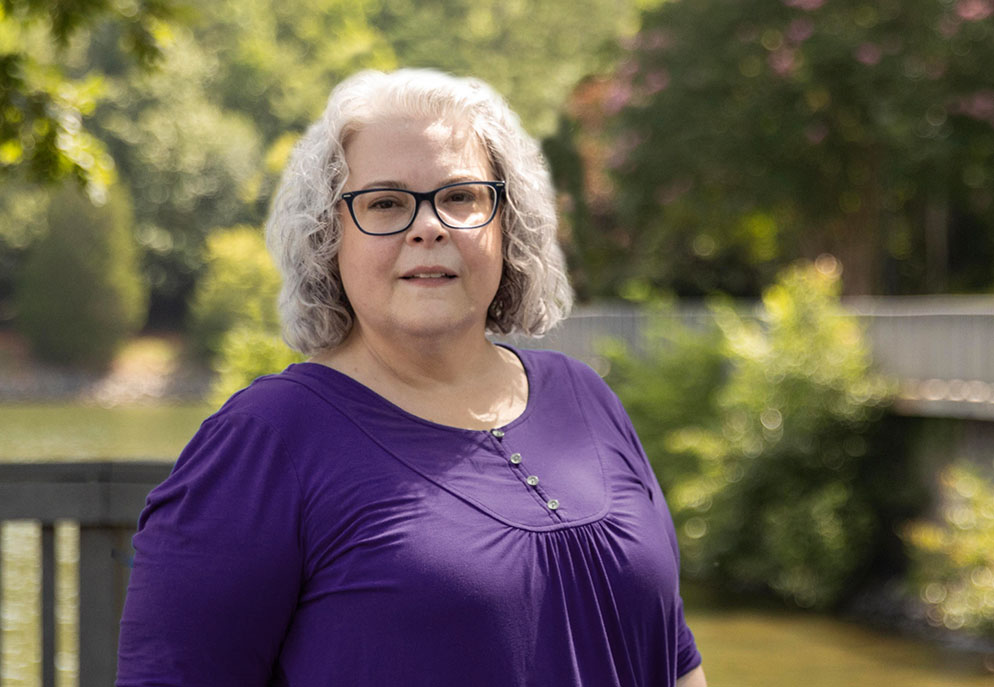
Leo, YESCARTA patient

Why should I consider YESCARTA CAR T-cell therapy now?

If your LBCL has returned within 12 months after another treatment ended, or another treatment did not work, then CAR T is recommended as a next treatment option to consider for eligible patients by the National Comprehensive Cancer Network® (NCCN®).*

It is important to consider CAR T early, since:

  1. The more treatments you try, the more your T cells may be impacted. Healthier T cells may have a greater chance of successfully being made into cancer-fighting CAR T cells.
  2. The sooner you start CAR T, the better condition you’re in to receive treatment.

Your oncologist may look at other options like bispecific antibodies, antibody-drug conjugates, or chemotherapy.

What to know about CAR T

Learn about what was important to other patients and caregivers.

This testimonial is representative of patients’ and caregivers’ own experiences. Individual treatment results and experience may vary.

*Referenced with permission from the NCCN Clinical Practice Guidelines in Oncology (NCCN Guidelines®) for B-Cell Lymphomas V.3.2025. © National Comprehensive Cancer Network, Inc. 2025. All rights reserved. Accessed Sept 30, 2025. To view the most recent and complete version of the guideline, go online to NCCN.org.

NCCN makes no warranties of any kind whatsoever regarding their content, use or application and disclaims any responsibility for their application or use in any way.

How can I get started on the path with YESCARTA?

Talk to a CAR T specialist to learn if YESCARTA is right for you. YESCARTA is only available at certain treatment centers so you may need a referral. Your oncologist can refer you for a consult or second opinion. Depending on the center or your insurance, you may be able to refer yourself.

Remember, you and your oncologist are on the same team. A referral is not the end of a relationship. It’s a link to specialized care, with ongoing communication and partnership with your oncologist.

You are a key part of the conversation about your treatment options. If your oncologist didn't bring up CAR T, you can always ask, "What about CAR T?".

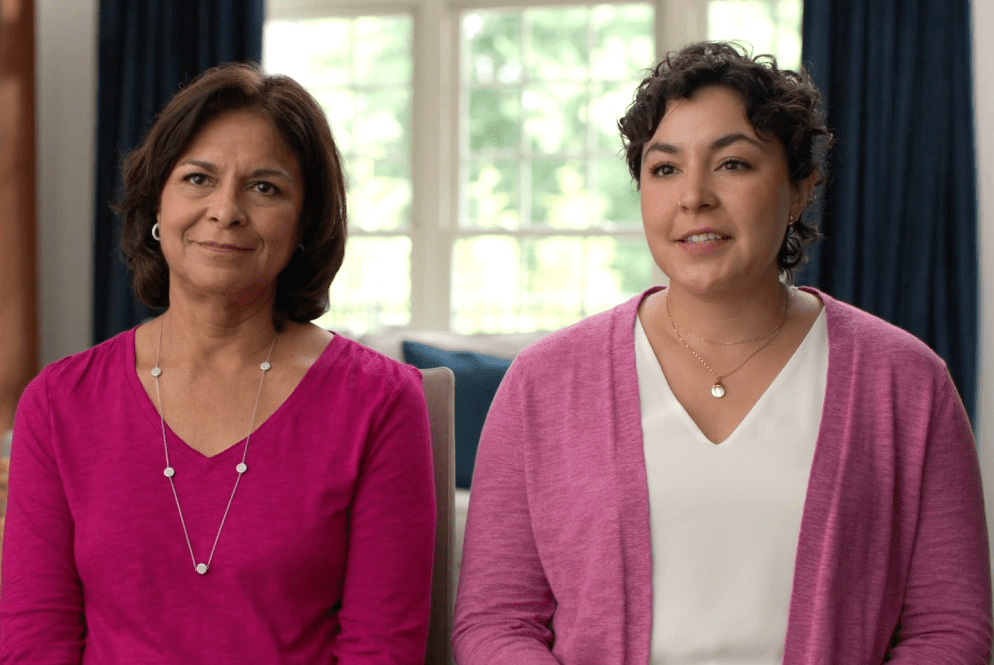
"I needed the right team: medical, family, and friends. I needed to be able to speak openly and freely, ask questions, and advocate for myself or find someone to take on that role."

CathyYESCARTA patient

This testimonial is representative of the patient’s own experience. Individual treatment results and experience may vary.

Cathy, YESCARTA® (axicabtagene ciloleucel) patient ambassador.

This testimonial is representative of the patient’s own experience. Individual treatment results and experience may vary.

The path with YESCARTA is ready — take the first step. Talk to a CAR T specialist to learn if YESCARTA is right for you.

Who is YESCARTA for?

YESCARTA is used to treat Large B-cell Lymphoma (LBCL) in adults who have tried:

  • one previous treatment that didn’t work, or
  • one previous treatment and had their cancer come back within 12 months

A CAR T specialist can assess your eligibility and may take other factors into account (such as your overall health).

Bispecific antibodies

A type of treatment that uses a protein called a "bispecific antibody". The bispecific antibody attaches to both cancer cells and your immune cells. This helps your immune cells fight the cancer cells.

Treatment often involves multiple rounds over several months, but the schedule can vary. With some bispecific antibodies you may receive the treatment indefinitely until your doctor has a reason to stop the treatment.

Bispecific antibodies may be given as an infusion or injection. Treatment can be given in a clinic and/or require a hospital stay depending on the dose, the specific drug received, or if you experience side effects.

A type of treatment that kills quickly-dividing cells in the body, including cancer cells.

Treatment often involves multiple rounds over several months, but the schedule can vary.

Chemotherapy can be given in different ways — such as infusion or injection in a clinic, or a pill at home.

Antibody-drug conjugates

A type of treatment that links a protein (called an "antibody") to a drug (like a chemotherapy). The antibody can bind to certain types of cancer cells, which allows the linked drug to enter the cancer cells and kill them.

Treatment often involves multiple rounds over several weeks or months, but the schedule can vary.

Antibody-drug conjugates can be given as an infusion in a clinic.

Referral

A referral is when your doctor sends you to another healthcare provider for further care. For example, to see a specialist for a second opinion or treatment.

In some situations, you may be able to refer yourself to another healthcare provider.

Second opinion

The assessment of a health problem by another doctor. This can involve reviewing medical records and recommending a treatment plan.

A second opinion can be used to learn more about your condition, confirm a treatment plan, or find out if other options may be appropriate.

Approved Use

YESCARTA is a prescription medicine used to treat large B-cell lymphoma, a type of non-Hodgkin ...

Important Safety Information

What is the most important information I should know about YESCARTA? YESCARTA may cause side effects that are life-threatening and can lead to death ...

Approved Use and Important Safety Information

Approved Use

YESCARTA® is a prescription medicine used to treat large B-cell lymphoma, a type of non-Hodgkin lymphoma, when your first treatment did not work or your cancer returned within a year of first treatment.

YESCARTA is different than other cancer medicines because it is made from your own white blood cells, which have been modified to recognize and attack your lymphoma cells.

Important Safety Information

What is the most important information I should know about YESCARTA?

YESCARTA may cause side effects that are life-threatening and can lead to death. Call or see your healthcare provider or get emergency help right away if you get any of the following:

  • Fever (100.4°F/38°C or higher)
  • Difficulty breathing
  • Chills or shaking chills
  • Confusion
  • Dizziness or lightheadedness
  • Severe nausea, vomiting, or diarrhea
  • Fast or irregular heartbeat
  • Severe fatigue or weakness

It is important to tell your healthcare provider that you received YESCARTA. Your healthcare provider may give you other medicines to treat your side effects.

Before getting YESCARTA, tell your healthcare provider about all your medical problems, including if you have or have had:

  • Neurologic problems (such as seizures, stroke, or memory loss)
  • Lung or breathing problems
  • Heart problems
  • Liver problems
  • Kidney problems
  • A recent or active infection

Tell your healthcare provider about all the medications you take, including prescription and over-the-counter medicines, vitamins, and herbal supplements.

How will I receive YESCARTA?

  • Since YESCARTA is made from your own white blood cells, your blood will be collected by a process called “leukapheresis” (loo-kah-fur-ee-sis), which will concentrate your white blood cells.
  • Your blood cells will be sent to a manufacturing center to make your YESCARTA.
  • Before you get YESCARTA, you will get 3 days of chemotherapy to prepare your body.
  • When your YESCARTA is ready, your healthcare provider will give it to you through a catheter placed into your vein (intravenous infusion). The infusion usually takes less than 30 minutes.
  • You will be monitored daily for at least 7 days after the infusion.
  • You should plan to stay close to a healthcare facility for at least 2 weeks after getting YESCARTA. Your healthcare provider will help you with any side effects that may occur.
  • You may be hospitalized for side effects and your healthcare provider will discharge you if your side effects are under control, and it is safe for you to leave the hospital.
  • Your healthcare provider will want to do blood tests to follow your progress. It is important that you do have your blood tested. If you miss an appointment, call your healthcare provider as soon as possible to reschedule.

What should I avoid after receiving YESCARTA?

  • Avoid driving for at least 2 weeks after you get YESCARTA.
  • Do not donate blood, organs, tissues, or cells for transplantation.

What are the possible or reasonably likely side effects of YESCARTA?

The most common side effects of YESCARTA include:

  • Fever (100.4°F/38°C or higher)
  • Low white blood cells (can occur with a fever)
  • Low red blood cells
  • Low blood pressure (dizziness or lightheadedness, headache, feeling tired, short of breath)
  • Fast heartbeat
  • Confusion
  • Difficulty speaking or slurred speech
  • Nausea
  • Diarrhea

YESCARTA may increase your risk of getting cancers including certain types of blood cancers. Your healthcare provider should monitor you for this.

These are not all the possible side effects of YESCARTA. Call your healthcare provider about any side effects that concern you. You are encouraged to report negative side effects of prescription drugs to the FDA. Visit www.fda.gov/medwatch or call 1-800-FDA-1088.

Please see Important Facts, including IMPORTANT WARNINGS.

You’ve reached the end of the Approved Uses and Important Safety Information. Click “Okay” to minimize the tray. You can reopen the full information at any time by clicking the “Read” button at the bottom of the screen.