







Approved Use
YESCARTA® is a prescription medicine used to treat large B-cell lymphoma, a type of non-Hodgkin lymphoma, when your first treatment did not work or your cancer returned within a year of first treatment.
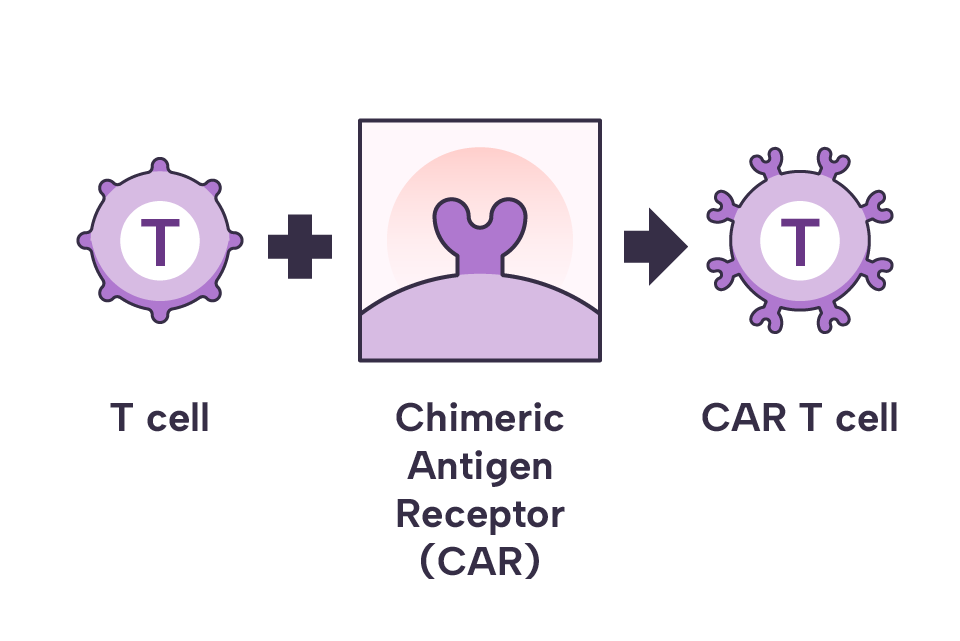
YESCARTA is different than other cancer medicines because it is made from your own white blood cells, which have been modified to recognize and attack your lymphoma cells.
Important Safety Information
What is the most important information I should know about YESCARTA?
YESCARTA may cause side effects that are life-threatening and can lead to death. Call or see your healthcare provider or get emergency help right away if you get any of the following:
- Fever (100.4°F/38°C or higher)
- Difficulty breathing
- Chills or shaking chills
- Confusion
- Dizziness or lightheadedness
- Severe nausea, vomiting, or diarrhea
- Fast or irregular heartbeat
- Severe fatigue or weakness
It is important to tell your healthcare provider that you received YESCARTA. Your healthcare provider may give you other medicines to treat your side effects.
Before getting YESCARTA, tell your healthcare provider about all your medical problems, including if you have or have had:
- Neurologic problems (such as seizures, stroke, or memory loss)
- Lung or breathing problems
- Heart problems
- Liver problems
- Kidney problems
- A recent or active infection
Tell your healthcare provider about all the medications you take, including prescription and over-the-counter medicines, vitamins, and herbal supplements.
How will I receive YESCARTA?
- Since YESCARTA is made from your own white blood cells, your blood will be collected by a process called “leukapheresis” (loo-kah-fur-ee-sis), which will concentrate your white blood cells.
- Your blood cells will be sent to a manufacturing center to make your YESCARTA.
- Before you get YESCARTA, you will get 3 days of chemotherapy to prepare your body.
- When your YESCARTA is ready, your healthcare provider will give it to you through a catheter placed into your vein (intravenous infusion). The infusion usually takes less than 30 minutes.
- You will be monitored daily for at least 7 days after the infusion.
- You should plan to stay close to a healthcare facility for at least 2 weeks after getting YESCARTA. Your healthcare provider will help you with any side effects that may occur.
- You may be hospitalized for side effects and your healthcare provider will discharge you if your side effects are under control, and it is safe for you to leave the hospital.
- Your healthcare provider will want to do blood tests to follow your progress. It is important that you do have your blood tested. If you miss an appointment, call your healthcare provider as soon as possible to reschedule.
What should I avoid after receiving YESCARTA?
- Avoid driving for at least 2 weeks after you get YESCARTA.
- Do not donate blood, organs, tissues, or cells for transplantation.
What are the possible or reasonably likely side effects of YESCARTA?
The most common side effects of YESCARTA include:
- Fever (100.4°F/38°C or higher)
- Low white blood cells (can occur with a fever)
- Low red blood cells
- Low blood pressure (dizziness or lightheadedness, headache, feeling tired, short of breath)
- Fast heartbeat
- Confusion
- Difficulty speaking or slurred speech
- Nausea
- Diarrhea
YESCARTA may increase your risk of getting cancers including certain types of blood cancers. Your healthcare provider should monitor you for this.
These are not all the possible side effects of YESCARTA. Call your healthcare provider about any side effects that concern you. You are encouraged to report negative side effects of prescription drugs to the FDA. Visit www.fda.gov/medwatch or call 1-800-FDA-1088.
You’ve reached the end of the Approved Uses and Important Safety Information. Click “Okay” to minimize the tray. You can reopen the full information at any time by clicking the “Read” button at the bottom of the screen.